
Protection Applied Before Damage Accelerates
Seal Coating in Mobile for asphalt surfaces exposed to sun, moisture, and traffic that cause oxidation and premature wear
Ultraviolet exposure and oxidation gradually dry out asphalt binder, turning pavement gray and brittle as the surface loses flexibility and becomes vulnerable to cracking. Seal coating applies a protective layer that blocks moisture infiltration, slows oxidation, and restores a uniform dark appearance that enhances curb appeal for residential driveways and commercial parking lots. Elite Asphalt LLC recommends seal coating as part of a long-term maintenance plan in Mobile, where high humidity and intense sun exposure accelerate pavement aging and increase the likelihood of costly repairs if surfaces are left unprotected.
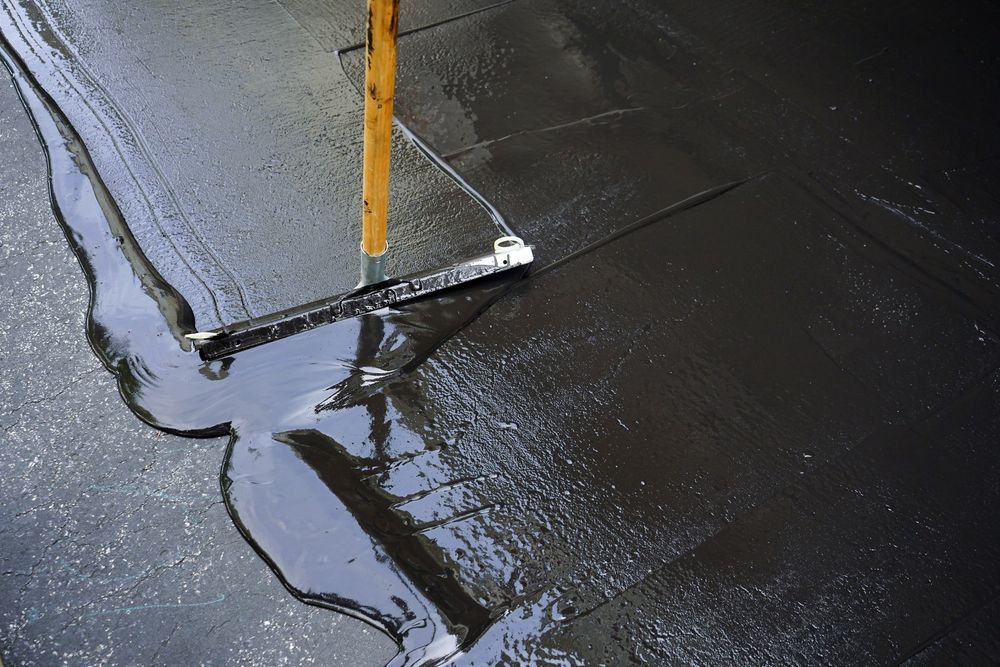
The seal coating process involves cleaning the asphalt surface, repairing cracks and defects, and applying a coal tar or asphalt emulsion sealer that cures into a protective barrier. The sealer fills minor surface voids, reduces water penetration, and shields the pavement from oil, gasoline, and chemical spills that break down asphalt binder. Regular seal coating extends pavement service life by preventing the deterioration that leads to resurfacing or replacement.
Arrange a maintenance evaluation to determine the appropriate seal coating schedule based on your pavement's age, traffic levels, and exposure conditions.
What Seal Coating Actually Accomplishes
Seal coating creates a barrier between asphalt and environmental factors that cause deterioration, including rain, humidity, UV radiation, and vehicle fluids. The sealer penetrates small surface cracks and voids, creating a smoother texture that sheds water more effectively and reduces the friction that wears down pavement under traffic. Application timing matters—seal coating should be scheduled during dry weather with temperatures above 50 degrees to ensure proper curing and adhesion.
After seal coating cures, you'll notice a uniform dark finish that makes parking lot striping more visible and gives driveways a freshly paved appearance. The surface resists staining from oil drips and tire marks, and water beads and runs off instead of soaking into the pavement. Sealed surfaces also develop fewer small cracks over the following years compared to untreated pavement, reducing the frequency of repair work and delaying the need for resurfacing by several years when applied on a regular maintenance schedule.
Seal coating protects asphalt but does not repair structural damage, deep cracks, or base failures. Pavement with extensive cracking or potholes requires repair before seal coating can be applied effectively. Seal coating also requires curing time, typically 24 to 48 hours, during which vehicle traffic must be kept off the surface to prevent damage to the fresh sealer.
Common Questions About This Service
Seal coating projects often raise questions about application frequency, weather conditions, and how to evaluate whether the service provides meaningful value or simply cosmetic improvement.
How often should asphalt be seal coated?
Most asphalt surfaces benefit from seal coating every two to three years, though the ideal frequency depends on traffic volume, sun exposure, and climate conditions that affect the rate of oxidation and wear.
What weather conditions are required for seal coating?
Seal coating requires dry pavement and air temperatures above 50 degrees, with no rain forecasted for at least 24 hours after application to ensure the sealer cures properly and bonds to the asphalt surface.
Why does seal coating improve pavement appearance so dramatically?
Seal coating restores the dark, uniform color of fresh asphalt by filling surface voids and covering the gray, oxidized layer that develops as pavement ages and loses binder oils.
What preparation is needed before seal coating?
The pavement must be cleaned of dirt, debris, and vegetation, and any cracks or potholes should be repaired so the sealer applies evenly and provides consistent protection across the entire surface.
How does seal coating perform in Mobile's humid climate?
Seal coating blocks moisture from penetrating the asphalt, reducing the risk of base saturation and pavement weakening caused by prolonged exposure to high humidity and frequent rainfall common in coastal areas.
Elite Asphalt LLC provides seal coating as part of comprehensive pavement maintenance programs designed to extend surface life and reduce long-term repair costs. Contact us to schedule a free estimate and develop a maintenance plan tailored to your property's traffic patterns and environmental exposure.