
Surfaces Designed for Decades of Use
New Asphalt Installation in Mobile for driveways, parking areas, and access routes on residential and commercial properties
Mobile's high humidity and seasonal storms create conditions where water infiltration accelerates pavement failure if base preparation isn't done correctly. Elite Asphalt LLC installs new asphalt surfaces across Mobile that resist the cracking and settling common when shortcuts are taken during excavation or grading. You need a surface built from the ground up to handle the specific load patterns your property requires, whether light residential traffic or the heavier demands of commercial use.
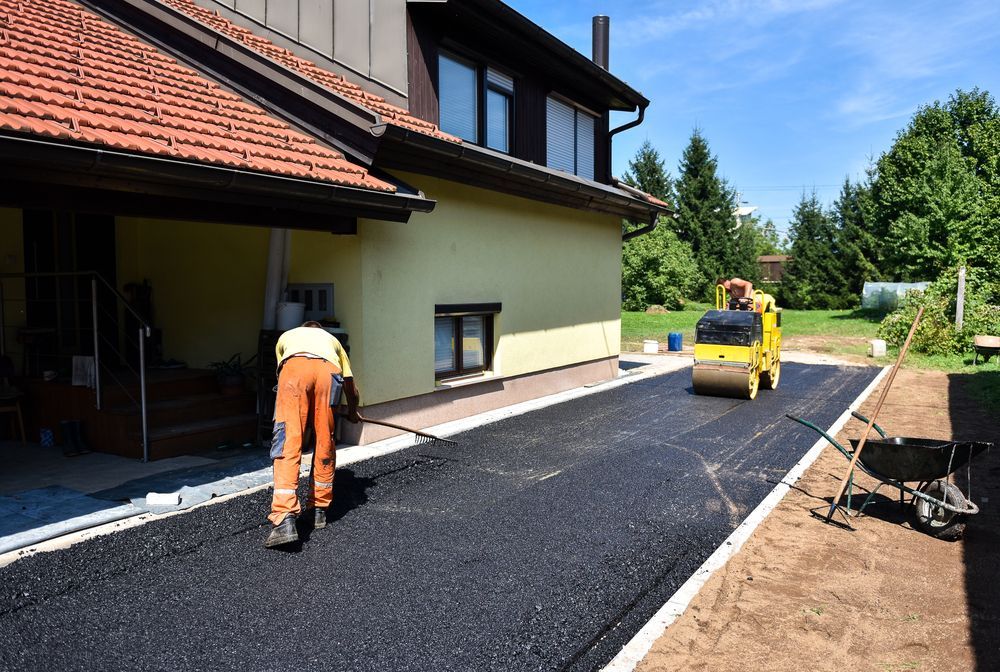
Installation begins with excavation to remove unstable soil, followed by grading to create the slope that prevents water from pooling. A compacted aggregate base is placed in layers to distribute weight and provide drainage, then asphalt is applied and rolled to achieve density and smoothness. Each step depends on the one before it—poor base work leads to surface failure regardless of asphalt quality.
Request a project estimate to review site-specific grading and base requirements.
What Proper Installation Requires
Every new asphalt project involves excavation depth calculations based on soil type and expected traffic, with deeper bases required in areas with clay or poor drainage. The base material is spread in lifts and compacted with vibratory rollers to eliminate voids that would allow settling, then edges are formed to contain the asphalt and prevent spreading. Asphalt temperature at placement affects how well it compacts, so timing and weather conditions are factored into scheduling decisions.
After installation, the surface will shed water visibly toward edges and drainage points instead of forming puddles. Vehicles move smoothly without dips or transitions, and the pavement remains firm underfoot rather than flexing or showing impressions. Elite Asphalt LLC customizes thickness and base depth to match your property's use, ensuring the surface handles the weight and frequency of traffic without early deterioration.
The work includes final grading to tie into existing surfaces, edging to maintain clean boundaries, and compaction testing to verify density standards are met. Projects are sequenced to minimize disruption, with access restored as each phase cures and reaches load-bearing capacity.
Answers to Installation Questions
New asphalt projects involve decisions about site preparation, materials, and timing that affect both cost and performance.
What determines the depth of excavation required?
Soil stability, drainage conditions, and expected vehicle weight all influence how much material must be removed and how thick the base layer needs to be to prevent settling.
How does base preparation affect long-term performance in Mobile?
Properly compacted aggregate bases resist the expansion and contraction caused by moisture changes in clay soils, reducing the cracking and heaving that occur when bases aren't dense enough to remain stable.
What is the difference between residential and commercial asphalt installation?
Commercial projects typically require thicker asphalt layers and deeper bases to handle heavier loads and more frequent traffic, with additional attention to turning radii and drainage capacity.
When can the new surface be used after installation?
Light foot traffic is possible within 24 hours, but vehicle traffic should wait until the asphalt has cooled and cured sufficiently to avoid impressions or surface damage, typically 48 to 72 hours depending on temperature.
What factors influence the cost of new asphalt installation?
Excavation depth, base material quantity, asphalt thickness, site access, and grading complexity all contribute to project pricing, with larger areas generally reducing per-square-foot costs.
Elite Asphalt LLC customizes every installation to meet site conditions and long-term durability goals. Arrange a site consultation to evaluate soil conditions, drainage patterns, and the base specifications your property requires.