
Pavement Removal That Preserves Usable Foundations
Asphalt Milling in Mobile for pavement rehabilitation, drainage correction, and surface leveling before resurfacing projects
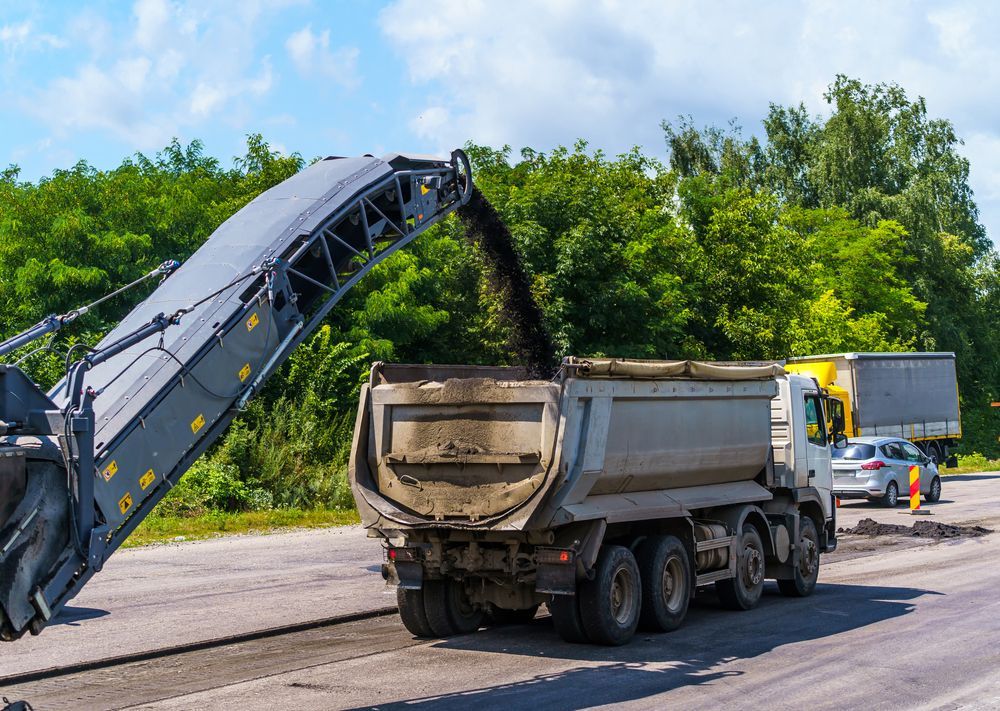
Asphalt milling machines remove the deteriorated top layer of pavement while leaving the base material intact, creating a clean, textured surface ready for a new asphalt overlay. This process corrects drainage problems caused by pavement buildup, eliminates surface defects like rutting and unevenness, and reduces project costs by avoiding full-depth excavation and disposal. Elite Asphalt LLC uses milling before resurfacing commercial parking lots, roadways, and large paved surfaces in Mobile, allowing the base to be reused rather than replaced when it remains structurally sound.
The milling process involves cutting into the existing asphalt to a specified depth, removing the material, and leaving a firm, uniform surface that promotes bonding with the new pavement layer. Depth control ensures the finished surface matches surrounding elevations, preventing water from pooling and directing runoff toward drainage structures. Milled asphalt can be recycled and reused in future projects, supporting environmentally responsible construction practices while reducing material costs.
Schedule a project consultation to determine whether milling is appropriate for your pavement rehabilitation and what depth is required to correct existing defects.
Why Milling Works for Pavement Rehabilitation
Milling removes only the damaged asphalt layer, preserving the compacted aggregate base that would otherwise require excavation and replacement during full reconstruction. The process addresses surface irregularities, ruts formed by repeated traffic patterns, and areas where multiple overlays have raised the pavement grade above desired elevations. Milling depth is adjusted based on the extent of deterioration and the thickness of the new overlay planned for installation.
After milling, the pavement surface appears uniform in texture and elevation, with a roughened profile that helps the new asphalt layer bond tightly. Water drains consistently without ponding in depressions created by previous wear, and the surface sits at the correct height relative to curbs, drains, and adjacent pavement sections. Milling also eliminates the need to raise manhole covers, adjust drainage grates, or modify transitions to surrounding surfaces, simplifying resurfacing projects and reducing construction time.
Milling is cost-effective when the base remains stable and damage is limited to the asphalt surface layer. Pavement with deep base failure, extensive cracking that extends below the asphalt, or areas where the foundation has shifted requires more extensive reconstruction. Milling also generates noise and temporary access restrictions, so commercial projects are often scheduled during off-peak hours to minimize disruption to business operations.
Questions Before Starting Your Project
Property managers and commercial owners considering milling often ask about how the process works, when it's appropriate, and how it compares to complete pavement replacement.
What equipment is used for asphalt milling?
Milling machines use rotating drums with carbide teeth to grind and remove asphalt to a precise depth, while vacuum systems collect the material for recycling and minimize debris left on the surface.
How does milling improve drainage on parking lots?
Milling removes pavement buildup and corrects low spots where water previously collected, creating a uniform surface that directs runoff toward drains and prevents ponding that accelerates pavement deterioration.
When is milling preferred over complete pavement removal?
Milling is preferred when the base layer remains firm and stable, surface damage is limited to the top asphalt layer, and the project goal is resurfacing rather than complete reconstruction.
What happens to the milled asphalt material?
Milled asphalt is typically recycled and incorporated into new asphalt mixes or used as base material for other projects, reducing landfill waste and lowering material costs for future construction.
How long does milling take for a commercial parking lot in Mobile?
Milling duration depends on the lot size and depth of material removal, but most commercial lots can be milled in one to two days, with resurfacing scheduled immediately afterward to minimize downtime.
Elite Asphalt LLC evaluates pavement condition and base stability before recommending milling as part of a rehabilitation plan. Request a site consultation to review your pavement's current state and determine the most efficient approach to restoring surface quality and drainage performance.